The result: adding affordability wording to title tags cut organic traffic by 4.6% on a Spanish-language travel site, despite repeatedly driving uplifts for travel customers in the UK.
What We A/B Tested
Title tags are one of the clearest signals search engines use to decide which queries a page should rank for. They are also the first thing a searcher reads in the results, so they can affect click-through rate as well as rankings.
Across SearchPilot travel customers in the UK, adding affordability wording such as “Cheap” or “Best deals” to title tags has repeatedly driven organic traffic uplifts up to 9%, likely because it appeals to budget-conscious travellers.
With that much evidence, it would be tempting to roll the change out everywhere but we wanted to confirm if these learnings translate across markets. So we tested it in a Eurozone-based customer market: a travel customer’s Spanish-language site, on their route pages.
What we changed
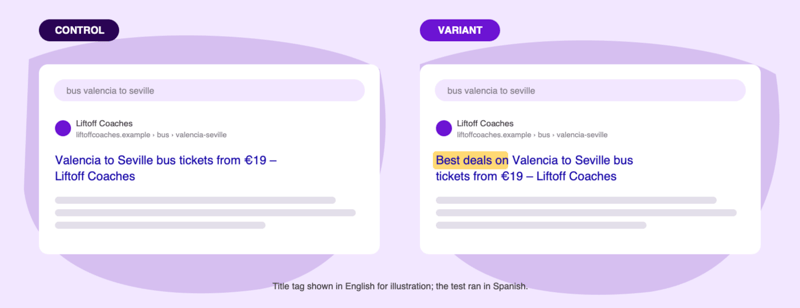
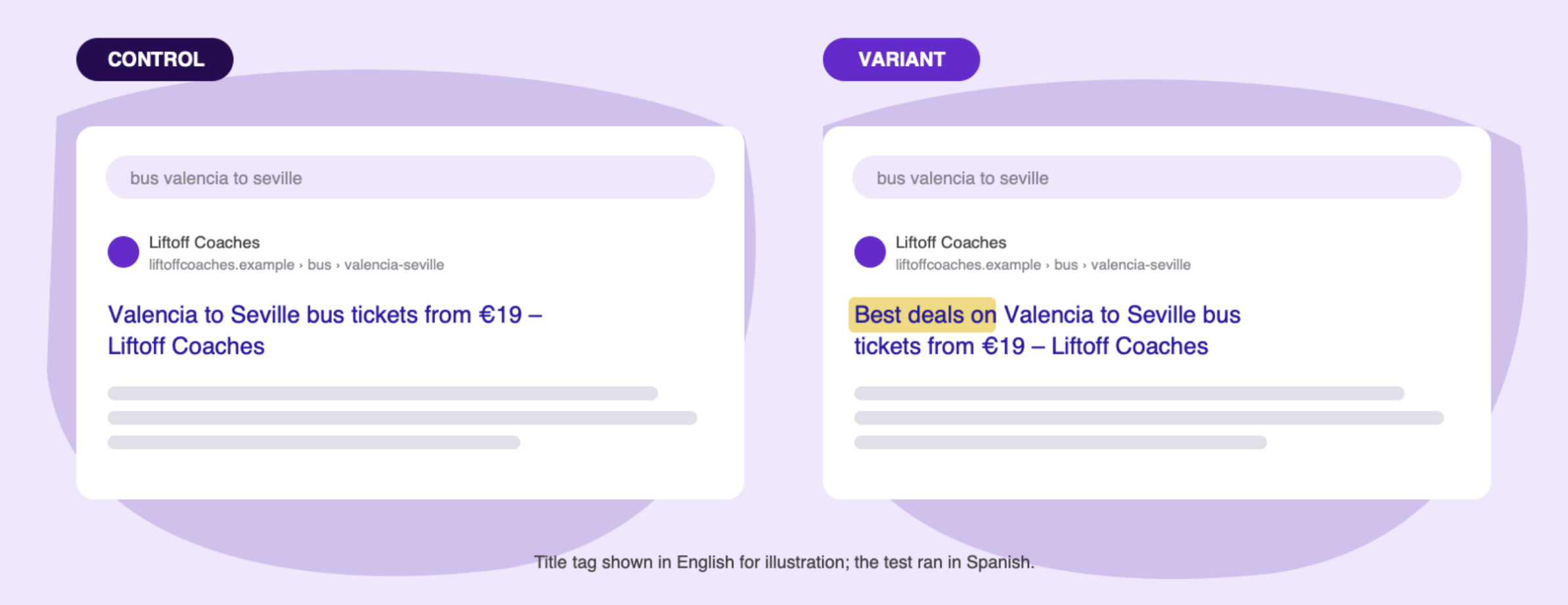
We added the phrase “Best deals” (translated into Spanish) to the title tags on this customer’s Spanish-language site, on their route pages. The phrase went at the very start of each title, ahead of the existing route, starting price and brand name.
What did we learn?
 |
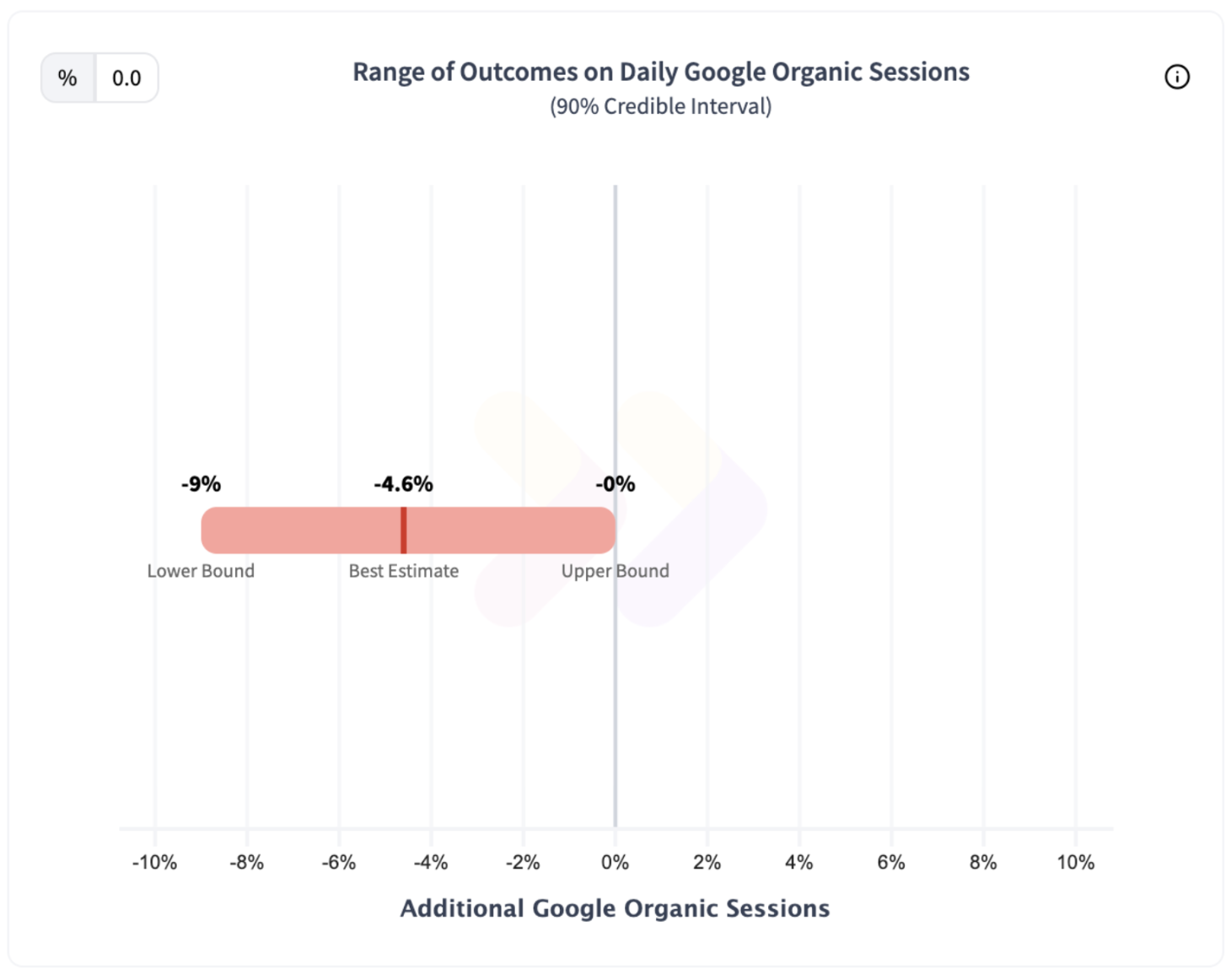 |
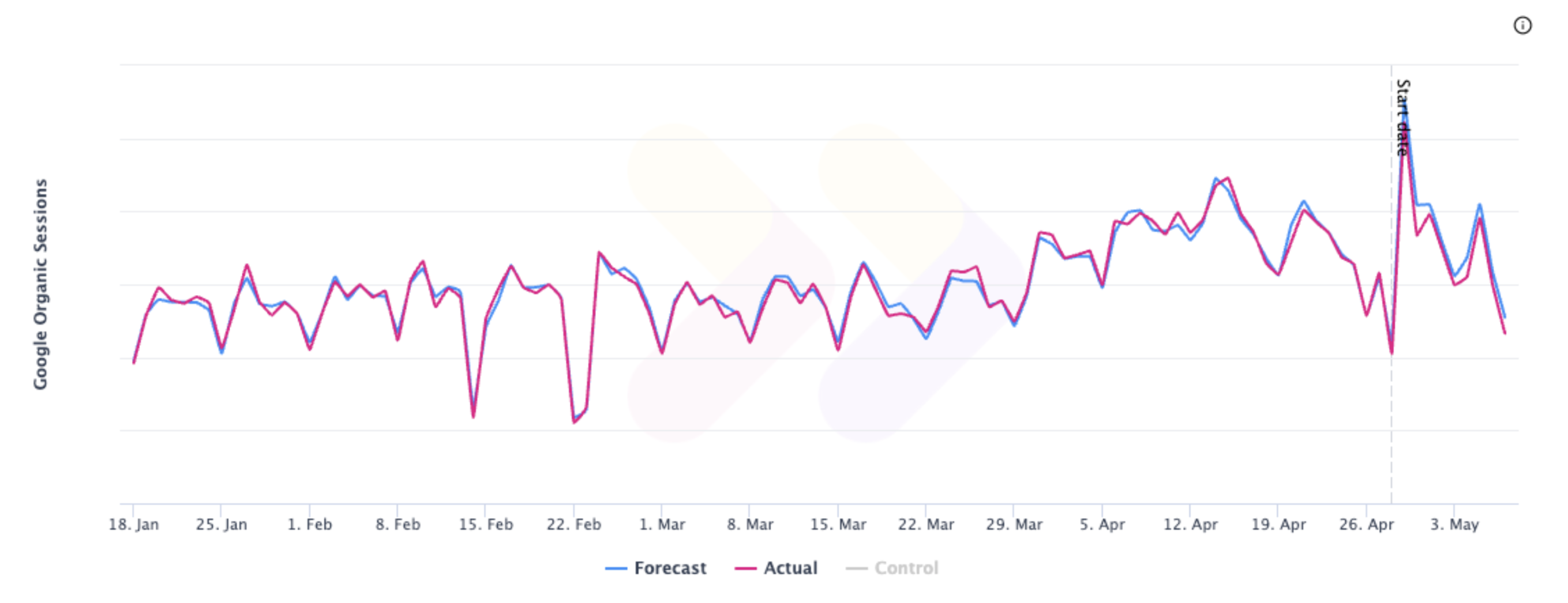
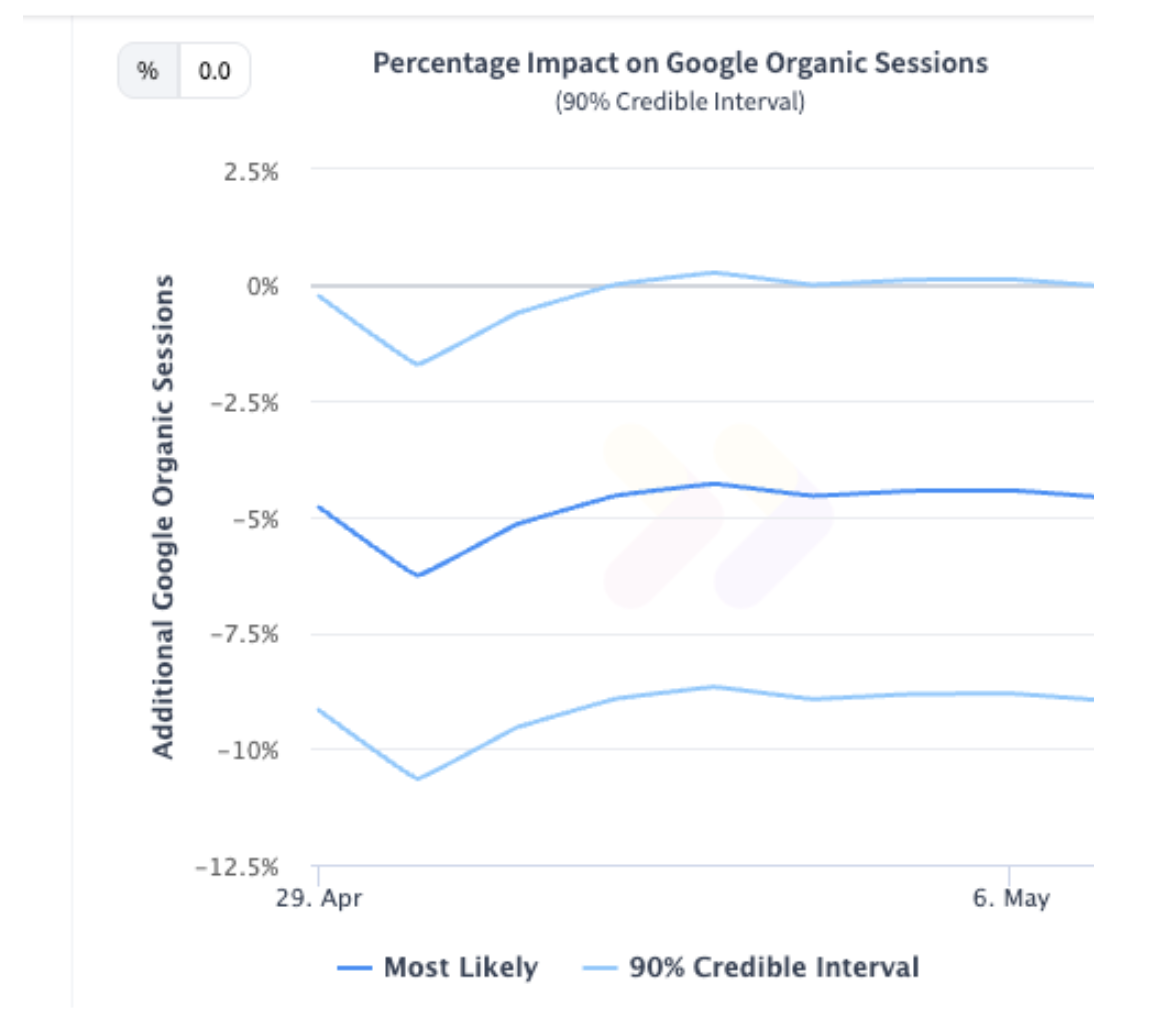
The test returned a 4.6% drop in organic traffic, which was significant at the 90% credible interval. That is a sharp contrast with the 9% uplifts the same type of change has driven for UK-based travel customers.
The UK wins came from separate tests on other SearchPilot travel customers, where affordability wording appealed to budget-conscious travellers. In Spain, the same idea lost, likely because of cultural differences in how affordability messaging is perceived. UK searchers respond well to this language, but searchers in this market may have read it as a signal of lower quality.
That doesn’t mean price messaging can’t work here. Small changes in wording can attract a very different audience, in the same way “certified pre-owned” appeals to different buyers than “used car”. Copy that stresses value or transparent pricing rather than cheapness could be the next thing to test in this market.
This test shows why a win in one market isn’t proof that a change will work everywhere. Results can differ between markets for several reasons. User preferences vary, so wording that signals value to one audience can signal low quality to another. Search results pages differ too: the SERP features, ads and pricing information shown next to your listing change by country and language, which affects how much a title tag stands out. And the competitors ranking alongside you are different, so copy that sets you apart in one market can blend in, or look out of place, in another.
That’s why we recommend testing changes in each market and rolling them out selectively based on what works there. A loss like this isn’t a dead end: it tells you what this audience doesn’t respond to and points to the next test to run.
To receive more insights from our testing, sign up for our case study mailing list, and please feel free to get in touch if you want to learn more about this test or our split testing platform more generally.